
Perspectives: Workplace Inclusion in India: Leading Through an Ally Lens
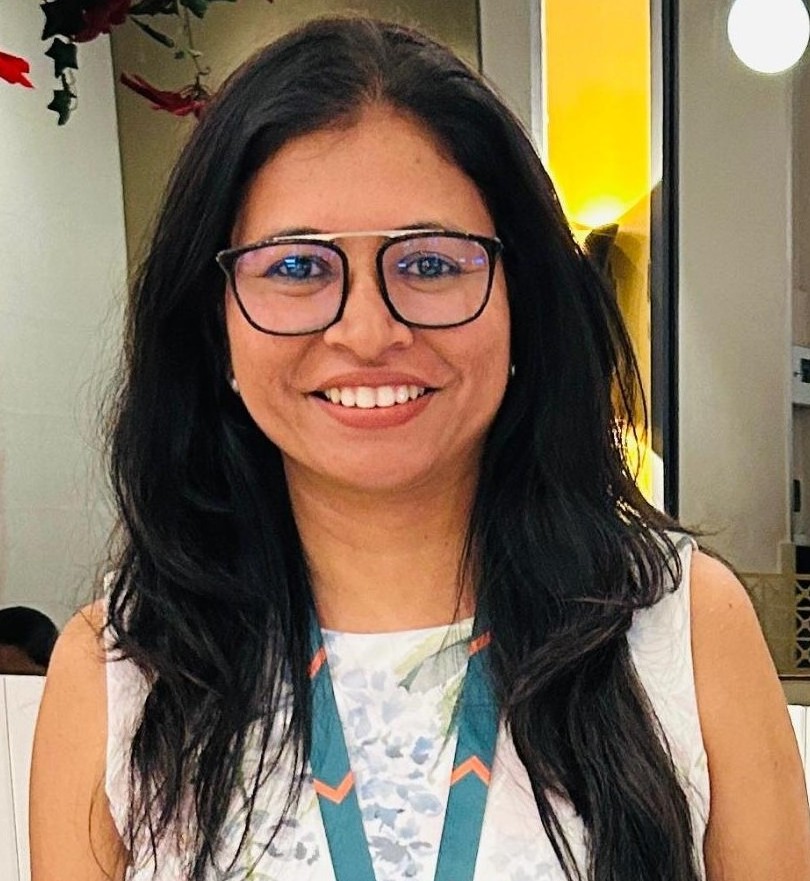
In Conversation with Sonia Rajan, IFDL Customer Service Operations Lead, M&G India and Shreyas Dutta (he/they) Senior Consultant at LGBT Great and Allied People Group
Introduction
Workplace inclusion in India is evolving at pace, shaped by shifting legal frameworks, cultural nuance and growing expectations from employees for authenticity and belonging. Organisations are increasingly recognising that inclusion is not driven by policy alone, but by everyday behaviours that shape how people experience work.
Against this backdrop, allyship is emerging as one of the most powerful catalysts for change. Not as a concept, but as a visible, lived commitment, one that enables individuals to support each other, challenge bias and build cultures of trust.
In this LGBT Great LIVE Episode, Matt Cameron, Chief Executive of LGBT Great, and Shreyas Dutta, Senior Consultant, are joined by Sonia Rajan from M&G India. Together, they explore how organisations can move from awareness to action, drawing on both structured frameworks and lived experience.
From launching conversations in complex environments to embedding everyday allyship, the discussion highlights how meaningful progress is built over time. It also reinforces a simple but powerful truth: inclusion becomes real when individuals feel safe, seen and supported.
This article explores what leaders can learn from India’s evolving inclusion landscape and how an ally lens can unlock lasting cultural change.
The Interview
Why does allyship matter in India’s workplace inclusion journey?
Sonia:
Inclusion today is as much about trust as it is about visibility. Organisations are increasingly being asked to demonstrate not only commitment, but authenticity in how they show up.
Shreyas:
Research continues to show that employees are more likely to engage with employers that can demonstrate measurable commitment to inclusion. Frameworks such as the Inclusion Index Benchmarking Tool (IBIT) help organisations understand where they stand—and how they can improve.
How can organisations build inclusion in complex cultural environments?
Sonia:
In India, starting the conversation was the most important step. In 2018, homosexuality was decriminalised, but cultural stigma remained.
“We focused first on awareness, creating safe, accessible ways for people to engage with the topic.”
One of the earliest initiatives used humour, a stand-up comedy session, to break down barriers and make the subject more approachable.
This was followed by gathering employee feedback, which revealed strong support and a willingness to engage further.
How do conversations evolve into culture change?
Sonia:
Awareness must be followed by engagement. Smaller group discussions created opportunities for employees to reflect, share perspectives and learn from one another.
“We screened short videos and then opened the floor for discussion. It helped people understand each other, and realise that they were not alone in their thinking.”
These moments created psychological safety and opened the door for more honest conversations.
What role does allyship play in accelerating progress?
Sonia:
Allyship became a defining focus, not as a programme, but as a visible, everyday behaviour.
“One of the simplest things we did was introduce an ally board, where employees could sign up and visibly show support.”
Employees who joined could wear Pride lanyards throughout the year, a small but powerful signal.
“When someone sees that support, it makes a difference without a single word being spoken.”
This visibility helped create a culture where individuals felt safer to engage and, over time, to be themselves.
How can organisations ensure inclusion is sustained beyond Pride?
Shreyas:
One of the biggest risks organisations face is treating inclusion as a moment rather than a movement.
Only a small proportion of LGBTQ+ talent perceive Pride activity as fully authentic. This highlights the importance of consistency, embedding inclusion throughout the year.
Sonia:
“Our focus was to create something that stays visible all year, not just during Pride month.”
By building ongoing initiatives such as ally programmes and community spaces, organisations can sustain momentum and deepen impact.
What is the role of leadership, and individuals, in driving change?
Sonia:
Leadership matters, but culture is shaped by everyone.
“Each of us has a responsibility to educate ourselves, ask questions and speak up when it matters.”
In environments that may not always be externally supportive, individual action becomes even more important.
“Small actions, like starting a conversation or showing visible support—can create a powerful ripple effect.”
Key Takeaways
Inclusion in India requires both cultural sensitivity and consistent action
Allyship is most powerful when it is visible, everyday and sustained
Conversation is the starting point but listening drives progress
Small, practical actions can unlock significant cultural change
Leadership is collective everyone plays a role in shaping belonging
Leadership Tools: 5 Questions and Actions
1. Authenticity
Question: Are our inclusion efforts consistent beyond key moments like Pride?
Action: Embed inclusion into everyday practices and communications.
Why it matters: Consistency builds trust and credibility.
2. Visibility
Question: How do we make allyship visible within our organisation?
Action: Encourage simple, visible signals of support that employees can adopt daily.
Why it matters: Visibility reassures others and creates psychological safety.
3. Listening
Question: Are we actively creating space for employee voices?
Action: Facilitate regular, small-group conversations and feedback loops.
Why it matters: Understanding experiences is key to meaningful change.
4. Leadership
Question: How are we enabling leadership at all levels?
Action: Equip employees with the skills and confidence to act as allies.
Why it matters: Culture is shaped collectively, not just from the top.
5. Action
Question: What is one small step we can take today?
Action: Encourage everyday ally behaviours, speaking up, supporting others, showing visibility.
Why it matters: Progress happens through consistent action.
Closing Reflection
Workplace inclusion in India reflects both complexity and opportunity. While legal and societal shifts continue to evolve, organisations have the ability, and responsibility, to shape cultures that go further, faster.
This conversation highlights that meaningful inclusion does not begin with large-scale transformation, but with intentional, human-centred action. Whether through starting conversations, listening to employees or encouraging visible allyship, every step contributes to a broader culture shift.
What stands out most is the power of the individual. In environments where inclusion may still be developing, personal actions, however small, become catalysts for hope. When multiplied across teams and organisations, these actions create momentum that policies alone cannot achieve.
For leaders, the opportunity is clear: to move beyond symbolic gestures and build cultures where inclusion is embedded in everyday experience. By leading through an ally lens, organisations can create workplaces where people feel safe, supported and empowered to bring their full selves to work.
And in doing so, they do more than drive inclusion, they help shape a future where belonging truly defines the workplace.