
Perspectives: LGBT Great LIVE Interview – 5pm 11th June 2026
It’s Not Just What Leaders Do — It’s What It Feels Like: Redefining Senior Leadership Sponsorship
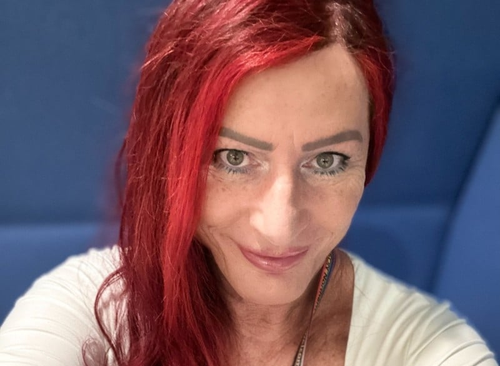
In conversation with Rachel Moorhead-Cruz from EDF
Introduction
In conversations about inclusion, senior leadership sponsorship is often framed in terms of actions, visibility and strategy. But what does it actually feel like for the people experiencing it?
In this LGBT Great LIVE session, Matt Cameron (he/him) and Shreyas Dutta (he/they) are joined by Rachel Moorhead-Cruz(she/her), Sales Lead at EDF and LGBTQ+ Network Leader, to explore this question from a lived perspective.
Through Rachel’s experiences, the conversation reframes sponsorship not just as a leadership responsibility, but as something deeply human — something that shapes confidence, belonging and the ability to show up authentically at work.
At a time when organisations are looking to move beyond performative inclusion, this discussion highlights a critical shift: effective leadership sponsorship isn’t just seen — it’s felt.
The Interview
Q1: We often talk about senior leadership sponsorship — but what does it actually feel like when it’s working well?
Rachel:
For me, it feels like being able to come to work every single day as my true, authentic self — and that’s a blessing I never take for granted.
When leaders show up, support you and create that environment, it gives you confidence. It makes you feel seen, valued and safe. It’s not just about policies or programmes — it’s about knowing that the people at the top genuinely care about you and your experience.
Q2: What are the moments that have made that feeling real for you?
Rachel:
Visibility is a big one. I remember our Managing Director joining us at Pride — walking in the parade, despite an incredibly busy schedule. That kind of presence sends such a strong message.
But it’s also the quieter moments that stay with you. The check-ins, the conversations, the times when leaders reach out and show they’re there for you.
Those moments build trust. They make sponsorship feel genuine rather than performative.
Q3: How do those experiences shape your sense of belonging at work?
Rachel:
They change everything. When you feel supported at that level, you don’t have to hold anything back. You can just be yourself.
As a trans woman, that support — both visible and behind the scenes — has been incredibly meaningful. It creates a sense of safety and belonging that allows you to thrive, not just survive.
Q4: What role do senior leaders play in setting the tone for inclusion across an organisation?
Rachel:
They make inclusion real. At EDF, senior leaders sponsor different diversity networks and actively support them. That consistency matters.
When leaders are engaged, visible and accessible, it creates a ripple effect. It shows everyone else that inclusion matters — and that it’s part of how the organisation operates, not just something on the side.
Q5: The world outside work can feel challenging for many LGBTQ+ people. How does leadership sponsorship change that experience inside the workplace?
Rachel:
It gives you a sense of stability and support. There’s a lot happening in the wider world, and it can be tough.
But when you have strong leadership support, along with your networks, managers and colleagues, you have a place where you feel safe and connected.
That support system helps you navigate everything else — and it reminds you that you’re not alone.
Q6: From an organisational perspective, what should leaders focus on to create this kind of experience consistently?
Shreyas:
One of the most important things is momentum. Pride Month creates a lot of energy, but the real opportunity is to sustain that throughout the year.
Leadership sponsorship needs to be continuous. It’s about embedding inclusion into culture, policies and everyday behaviours — so that it becomes part of how organisations operate, not a one-off moment.
Q7: And what role does allyship play in shaping how sponsorship is experienced?
Rachel
Allyship is fundamental. Our research shows that empathy is one of the most important qualities — but it has to translate into action.
When leaders act as allies, consistently supporting and uplifting others, that’s when sponsorship becomes meaningful. It moves from intention to impact — and that’s what people feel.
Q8: Finally, what advice would you give to leaders who want their sponsorship to truly resonate?
Rachel:
Be present. Be visible. And be human.
It’s not about being perfect — it’s about showing up, listening and supporting your people.
Because when people feel supported, they can be themselves. And when they can be themselves, that’s when they do their best work.
Q9. What does truly great sponsorship feels like?
Rachel:
At its best, senior leadership sponsorship is not just visible — it is deeply felt. It shapes how people experience their workplace every day, influencing whether they feel safe, valued and able to show up as themselves.
For Rachel Moorhead Cruz, that feeling starts with authenticity.
“To come to work every day as the true, authentic me… is a blessing.”
This sense of freedom — to be seen and accepted without hesitation — is at the heart of meaningful inclusion. It creates the conditions for confidence, connection and performance to thrive.
But Rachel’s experience also highlights something more powerful: great sponsorship goes beyond formal programmes or visible moments. It is felt in the everyday — in how leaders show up, in how they listen, and in how they respond.
It is felt in reassurance: “Wherever you are, know that you’re loved.”
It is felt in empowerment: “You’re not stuck. You have choices.”
And it is felt in the confidence to grow: “You can rise up from anything. You can completely recreate yourself.”
These messages are more than inspiring words — they reflect the emotional impact of environments where people are supported, encouraged and championed.
Rachel also reminds us that the role of leadership is not just to enable performance, but to shape mindset and belonging. When individuals feel uplifted, they are empowered to move forward with confidence:
“Make today so good that yesterday is jealous.”
Ultimately, this is what great sponsorship delivers. It creates a workplace where people feel not only included, but truly valued — where they recognise their own potential and are supported to realise it.
Because when leadership support is felt in this way, inclusion becomes more than an initiative. It becomes an experience — one that enables people to thrive, contribute and unlock what’s possible.
Leadership Tools: 5 Questions & Actions
Shaping senior leader sponsorship through lived experience
1. Sponsorship is felt, not just delivered
“How do people feel when they experience my leadership?
Action: Regularly seek honest feedback and reflect on whether your actions create psychological safety, trust and belonging. Moves leadership from intention to felt impact.
2. Visibility matters — but so do quiet moments
“How am I showing up consistently, both publicly and behind the scenes?”
Action: Balance visible support (events, advocacy) with everyday connection — quiet check‑ins, conversations and presence. Builds credibility and trust through consistency, not just moments.
3. Authenticity unlocks belonging
“Am I creating an environment where people can truly be themselves?”
Action: Model authenticity, encourage openness, and actively remove any barriers that prevent people from showing up fully. Enables people to thrive, not just fit in.
4. Consistency builds trust
“What am I doing consistently, not just occasionally, to support others?”
Action: Embed moments into leadership routines, team practices and decision-making.
Turns inclusion into something people can rely on every day.
5. Empathy + action = meaningful allyship
“How am I turning understanding into action for others?”
Action: Listen to lived experiences, then take visible, practical steps to support, advocate and uplift colleagues. Ensures allyship is experienced as real, not performative.
Closing Reflection
As organisations continue to invest in inclusion, this conversation offers an important reminder: leadership sponsorship is not only about what is done — it is about what is experienced.
When senior leaders show up with visibility, empathy and consistency, they create environments where people feel genuinely supported and able to thrive.
The opportunity now is to build on this understanding — to move from intention to lived experience, and to ensure that every individual feels part of something bigger. Because when people feel that difference, we unlock what’s possible.