
Perspectives: Beyond Understanding - Building Belonging Across Disability and Gender Identity
Why This Conversation Matters
In July 1990, following the passing of the Americans with Disabilities Act (ADA), Disability Pride Month was founded. 5 years later – following a period of lobbying, direct action, marches and demonstrations staged by disabled rights groups and campaigners who demanded new legislation – the rights of disabled people in the UK were enshrined in law, as the Disability Discrimination Act came into force. Prior to the introduction of such legislation, people with disabilities had no legal protections from direct discrimination, victimisation or failure to make reasonable adjustments.
Since then, Disability Pride Month has evolved into a global movement, seeing celebrations take place in many countries around the world. Aiming to recentre the narrative away from stigmatised understandings of disability and the negative and ableist attitudes that maintain barriers to inclusion, the month shines a light on and celebrates the achievements, contributions and resilience of disabled people.
July also marks International Non-Binary People’s Day; observed each year on the 14th of July to raise awareness of the issues faced by non-binary people around the world. Bringing people together, International Non-Binary People’s Day offers an opportunity to celebrate the diversity of the community and the right of individuals to be their authentic selves.
As both the non-binary community and people with disabilities continue to face growing systemic and social challenges in the UK, this July offers an opportunity to reflect on the barriers to inclusion that endure, whilst looking to how we can continue to strive for a society free of ableism and transphobia.
Understanding the Reality Behind Inclusion
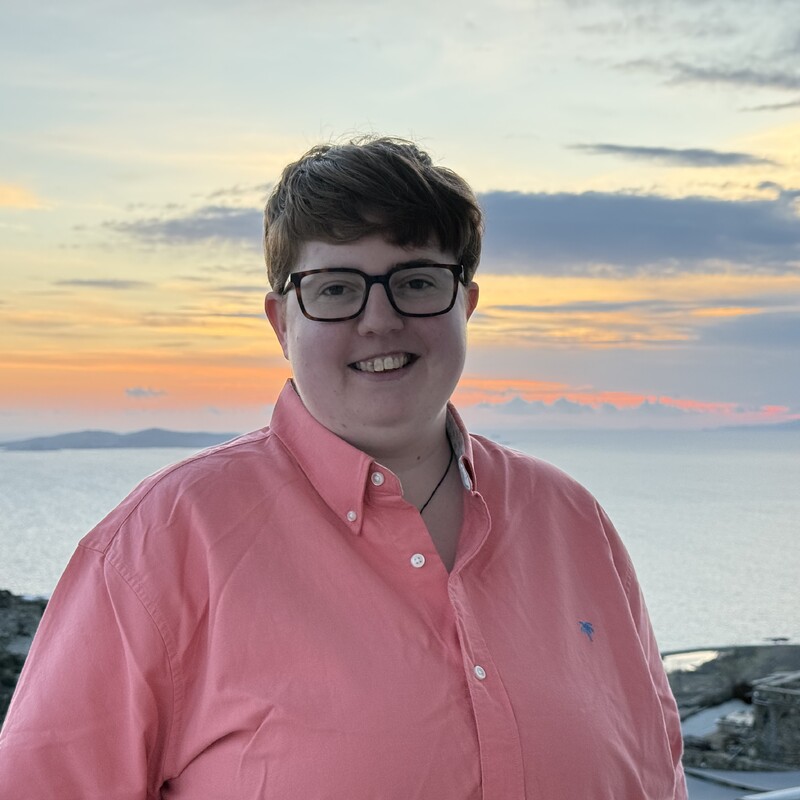
In celebration of both Disability Pride Month and International Non-Binary People’s Day, we spoke to the wonderful Charlotte (CPL) Phillipps-Lynn, Senior Quality Assurance Analyst at Seccl. An LGBTQ+ advocate, keynote speaker and inclusion advocate, CPL is passionate about breaking down barriers and encouraging acceptance for all, both in the workplace and beyond. Drawing on the experiences they have had throughout their career, CPL underlines the significant impact that a lack of understanding can have on the day-to-day experiences of the workplace, pointing to the vital role that awareness dates like Disability Pride Month and International Non-Binary People’s Day can play in promoting understanding and awareness about diverse identities.
The Hidden Cost of Being Misunderstood & the Impact of Senior Leaders
Having worked in the financial services industry for the past 13 years, CPL reflected on the beginning of their career and what the environment was like when they first entered the workforce. Thinking about the first organisation they joined, CPL explained that ‘it was quite different’ to what we would expect in 2026, with exclusionary behaviour a commonplace occurrence. Reflecting on one instance in particular, they recalled that ‘I remember within my first couple of weeks [in the organisation], one of the people said, ‘gay people are disgusting’. Whilst faced with blatant homophobic rhetoric from colleagues, CPL explained that they ‘never really faced any challenges with my [sexual and gender identity]’. Where they felt they had faced the biggest challenges, however, was in navigating the workplace with a disability.
"There was a point where it became difficult with my disability. I have a severe hearing loss and some of my work was on the phone. As it deteriorated, I could hear less and less. I spoke about it and got referred to occupational health, who said ‘well you can hear me now can’t you’ and I was discharged. Not that it mattered that I was in a very quiet space with noise cancelling headphones on".
Despite reaching out for support from their workplace in light of their deteriorating hearing loss, CPL was met with a lack of understanding and care during this process, resulting in the mishandling of the situation, meaning that the required adjustments and support required were not granted. CPL is not alone in facing a lack of understanding or mistreatment regarding their disability at work. In their 2024 study into Disability Inclusion at Work, Deloitte found that of the 10,000 people with disabilities, chronic health conditions or those who are neurodivergent that they surveyed, almost three-quarters (74%) who had requested workplace accommodations had had at least one of their requests rejected. Such past negative experiences in requesting accommodations, alongside a fear of facing negative perceptions from employers, were also found to consequently prevent people from seeking support in their places of work. As people with disabilities’ needs aren’t met, or they feel unable to request them in the first instance, barriers to inclusion at work persist, impacting wellbeing and feelings of belonging at work.
Indeed, it is the lack of understanding surrounding different disabilities – and the mistreatment and biases it can engender – that CPL believes is the biggest barrier to inclusion for people with disabilities in the workplace today. Drawing on their own lived experience to explain, CPL stated that
"Understanding the disability [is the biggest barrier inclusion for those with disabilities]. With my hearing loss, I get really bad listening fatigue and feel very tired. People don’t understand that. I think that people always see you showing up but aren’t always aware at what cost. For example, I had a training course earlier this week where there was a lot of listening for about 4 hours, and then I had to sleep for about an hour to recuperate".
For people with non-visible disabilities, facing a lack of understanding and awareness in the workplace is a common experience; this can lead to misconceptions, biases and an underestimation of the challenges that different individuals face due to their disability. CPL went on to explain that they have faced a lack of understanding from colleagues not only with regard to their disability, but also their non-binary identity too.
"I think again it goes back to the understanding part of it. I sometimes wonder if people get funny about identity because they don’t understand it. Though when I have explained I am non-binary to some people they say they don’t get it".
CPL went on to underscore the crucial role that senior leaders play in creating inclusive and accessible workplaces that enable everyone to feel like they belong. Describing their current organisation, they explained that
"I think where I am now, the company I am in, the leaders are very inclusive and also understand people’s stories too; they’re willing to learn more and understand the lived experience".
Here CPL points to two of the essential qualities that we outlined as being vital in the allyship journey of senior leaders in our For All: The Power of Allyship and Belonging research. Through committing to a continuous personal education journey to better understand the experiences of others, and by practicing active listening to foster empathy, build trust with employees and understand the personal journeys and lived experiences that look different to their own, senior leaders actively contribute to the cultivation of a culture of inclusion and belonging at work. CPL emphasised the impact that senior leaders adopting inclusive behaviours can have on the wider organisation, stressing that:
"With leadership…they’re in a position where other staff will look up to them and mirror behaviour. With some organisations, it can be a top-down approach".
From Inclusion to Belonging
Recognised as a one of LGBT Great’s Gamechangers for their commitment to promoting inclusivity in financial services, CPL is constantly striving to break down barriers and encourage acceptance for all. At Seccl, their current place of work, they have set up the ‘Belonging Group’, creating a safe and inclusive space that provides a platform for individuals to share their experiences.
"I set up a ‘Belonging Group’, which I like because I think words like inclusion can sometimes be thrown around especially in businesses. Belonging means psychological safety which is important for every walk of life. We celebrate various awareness days too, and some people write their own lived experiences which is really special".
Reflecting on the importance of spotlighting the lived experiences of individuals with under-represented identities, CPL underscored the important role that awareness dates like International Non-Binary People’s Day and Disability Pride Month play in fostering feelings of validation, belonging and confidence for the people who see their experiences and identities celebrated and reflected.
"As with anything, raising awareness is so important. I often worry that I am not deaf enough, not queer enough, but [celebrating awareness days help you to] realise that you are enough".
At LGBT Great, we realise the importance of visibility in cultivating organisational belonging. We mark awareness dates with blogs, events and webinars throughout the year, championing intersectional awareness and understanding of people from different backgrounds.
To stay updated on what we have coming up: sign up to our News Digest publication here.